DREDGING PROJECTS
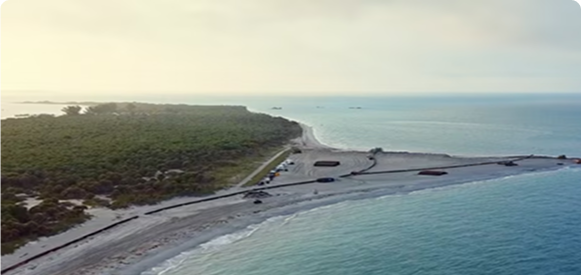
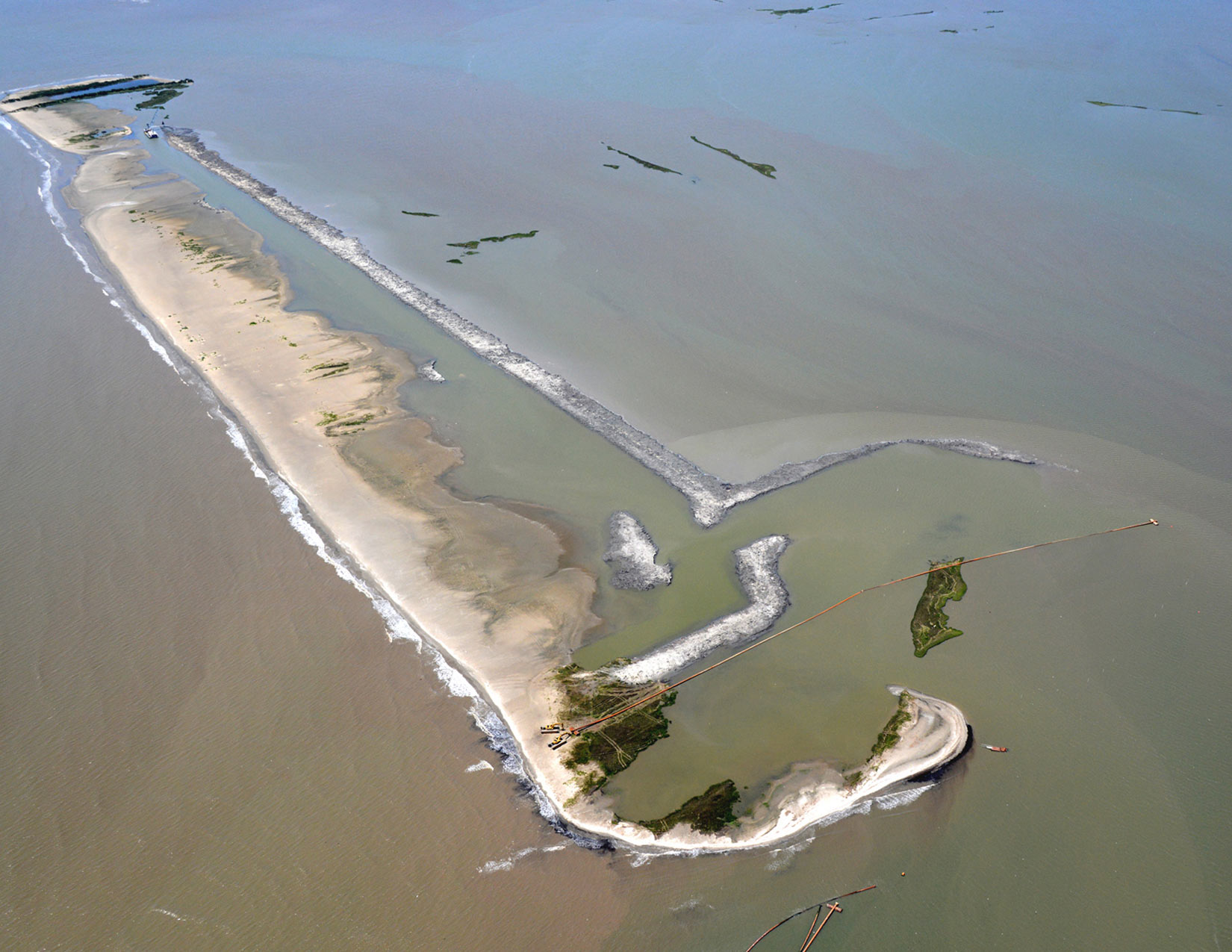
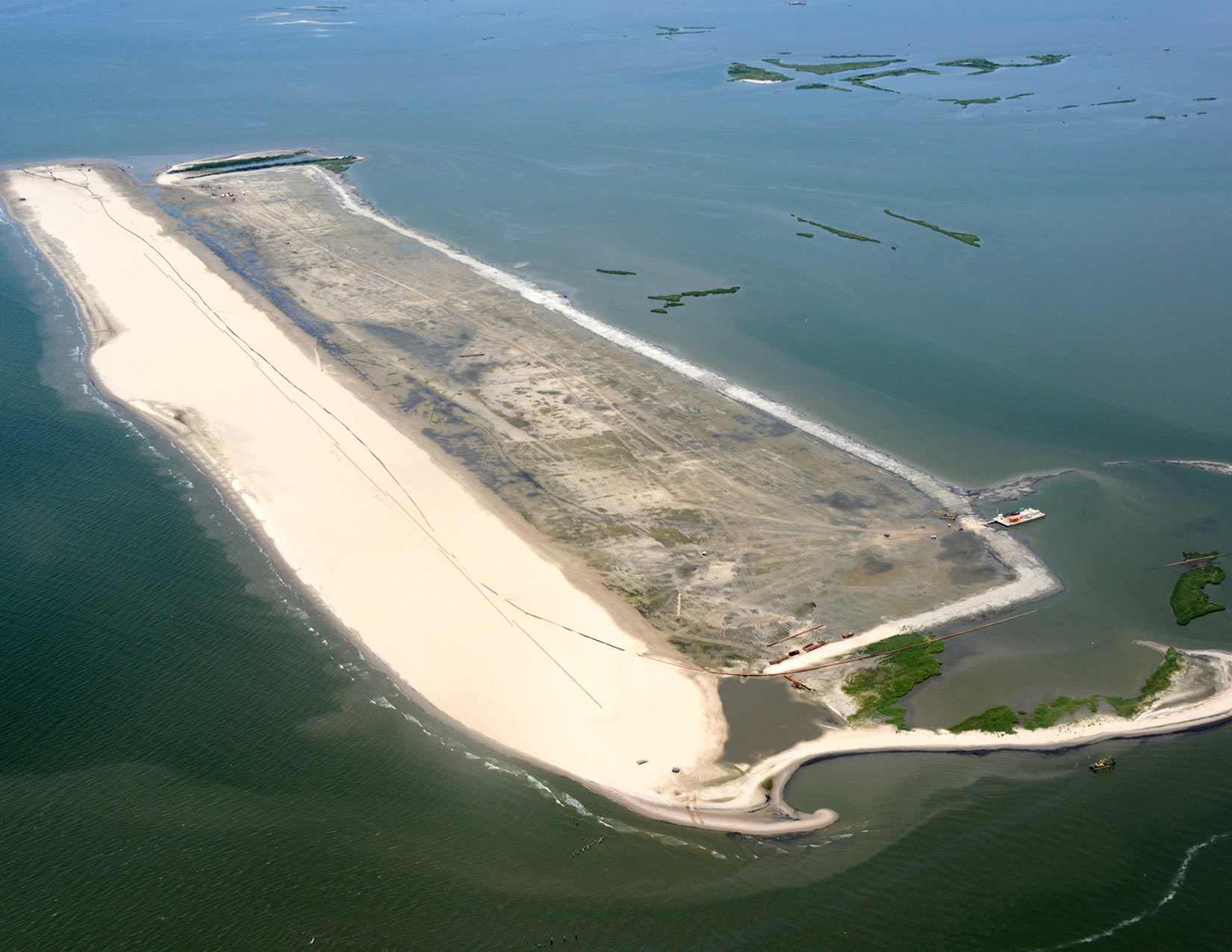
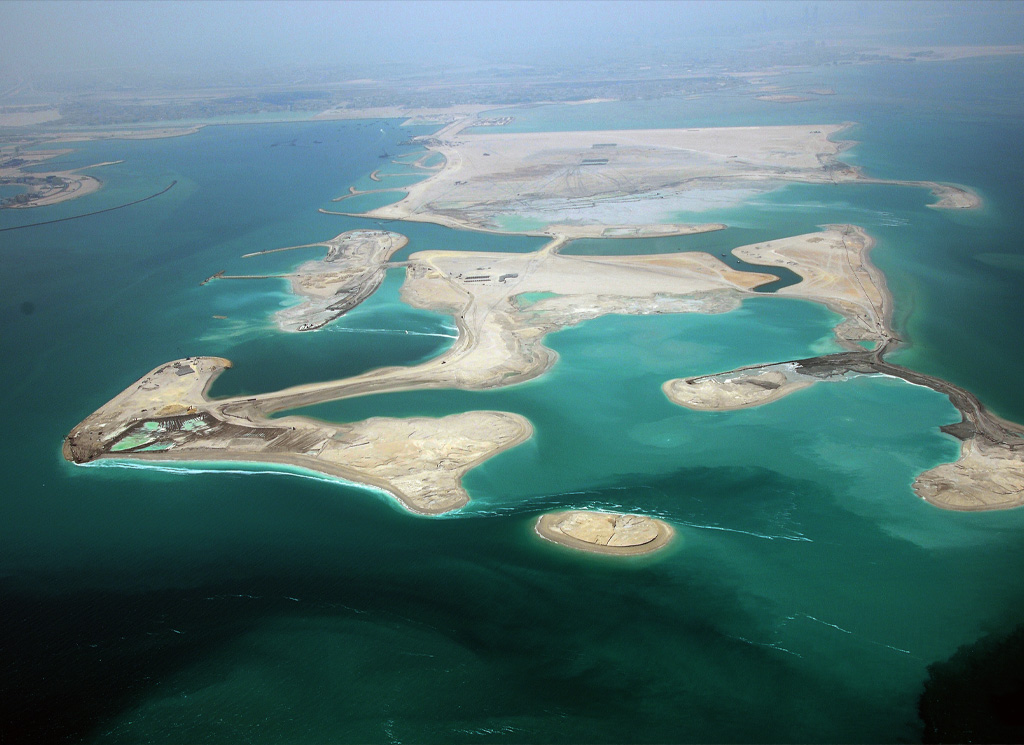
Before and After Dredging Transformations
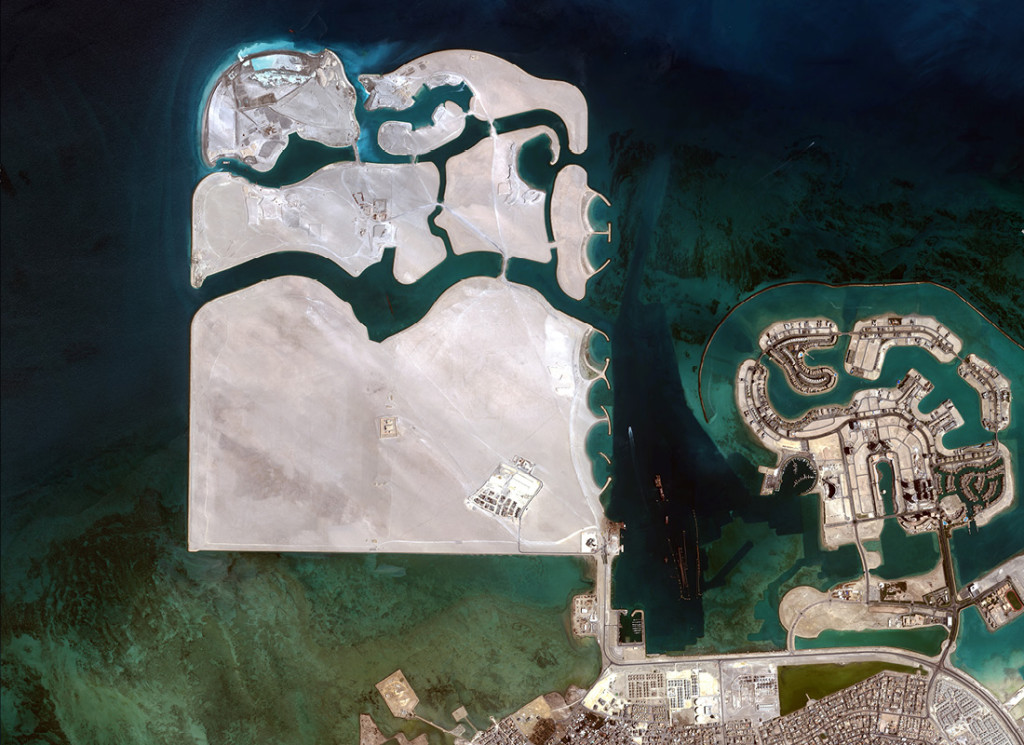
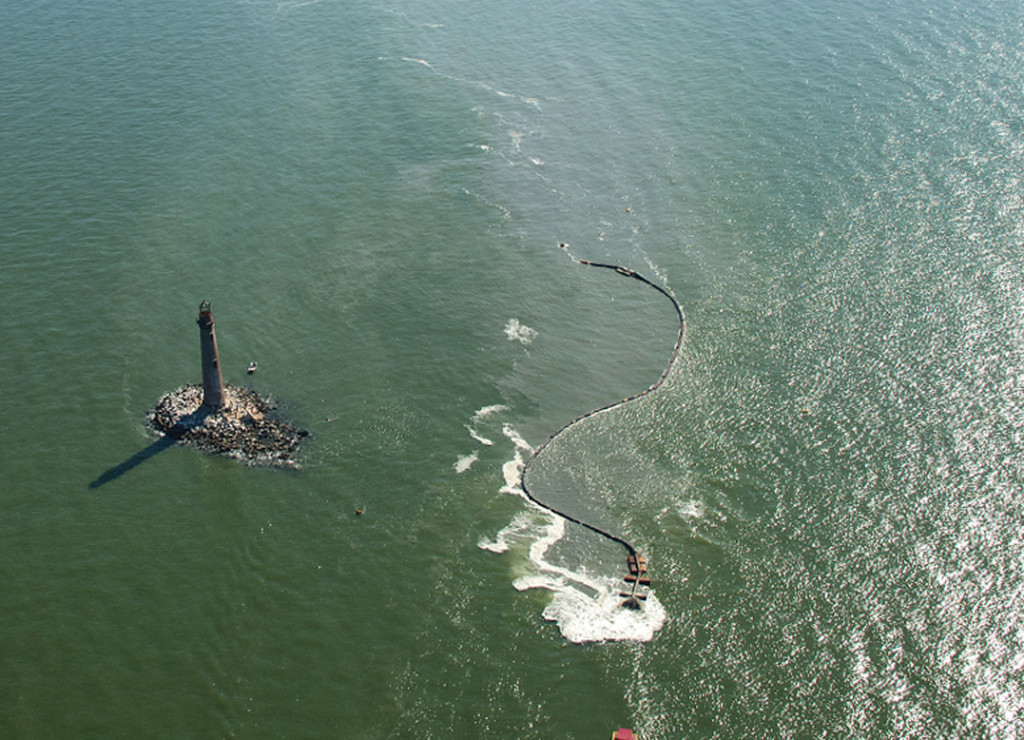
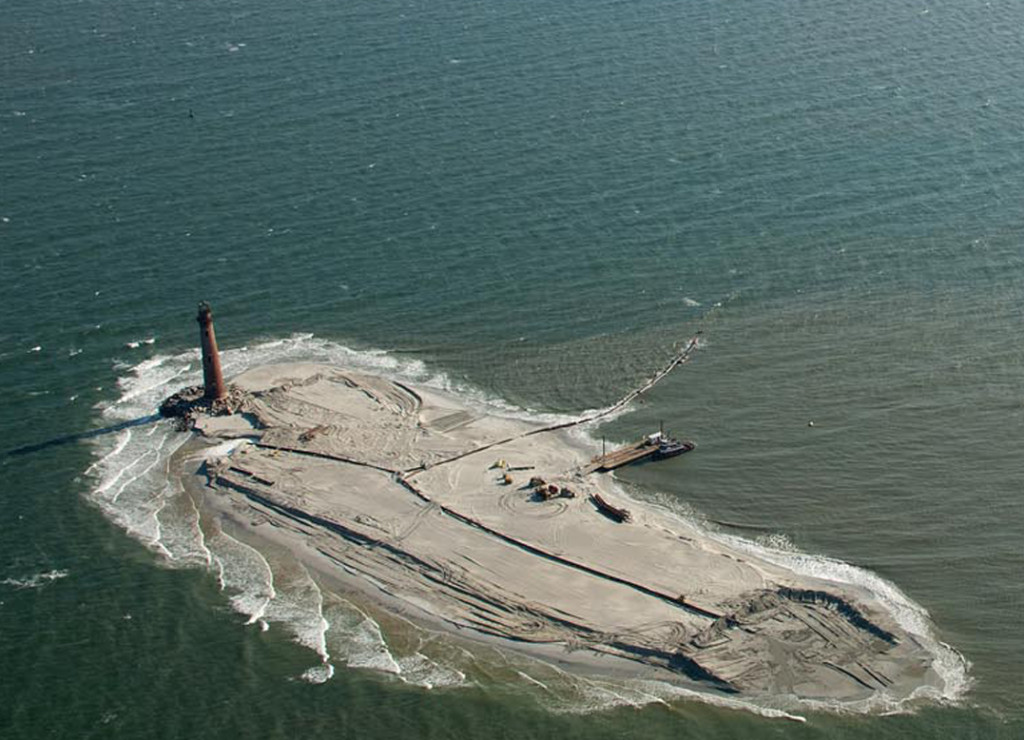

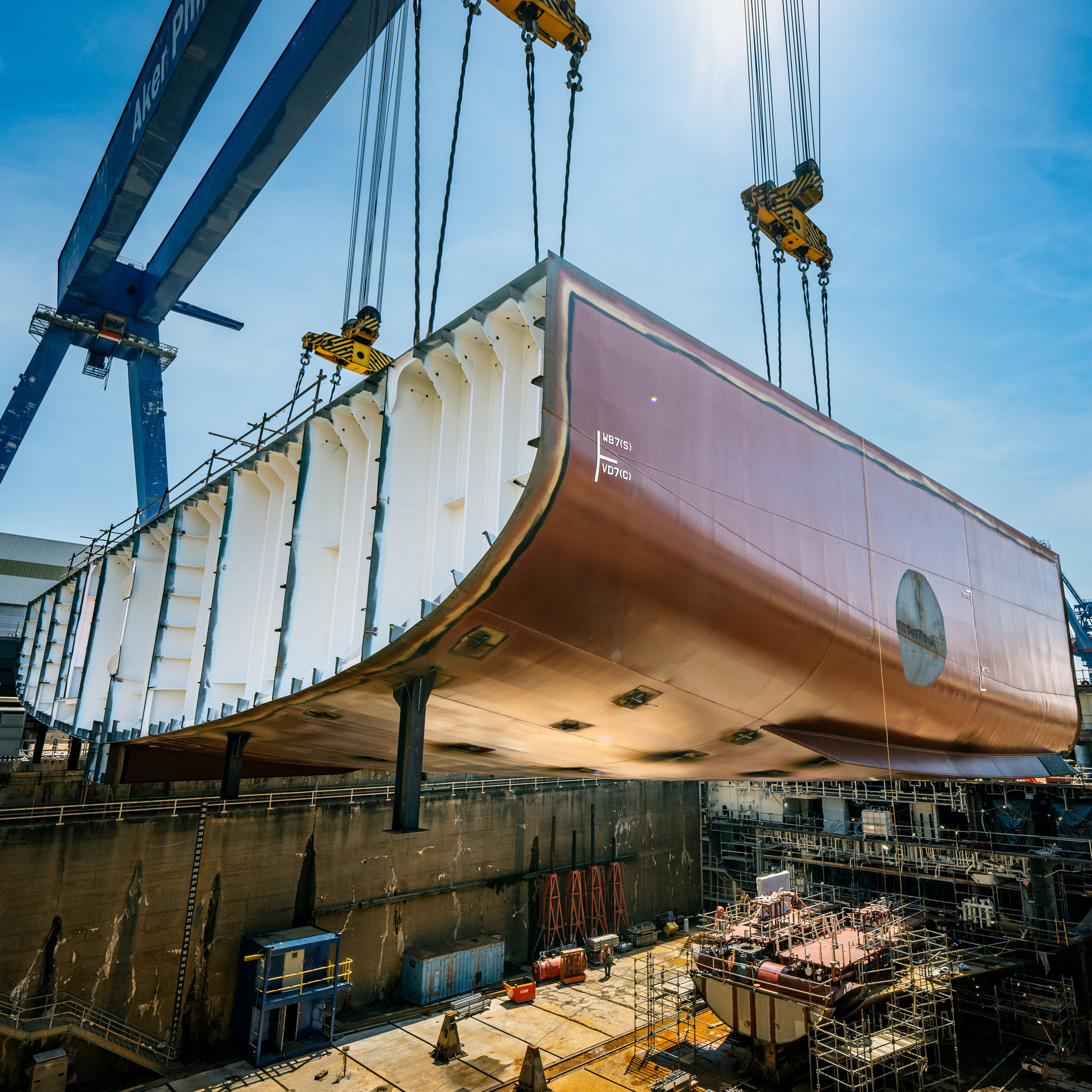
Subsea rock installation is the most effective means of providing long-term scour protection. With the first and only Jones Act–compliant subsea rock installation vessel built at the Hanwha Philly Shipyard in Philadelphia, GLDD is helping to strengthen the foundations for U.S. offshore energy.
Among its leading-edge technologies to better protect the environment, the vessel has EPA Tier 4–compliant engines, a battery energy storage system to shave peak loads, and plug-in capability to obtain shore power while loading. Additionally, it will be able to run on biofuel, reducing the ship’s CO2, SOx, and overall hydrocarbon footprint, and will be equipped with active emissions control technology to mitigate NOx emissions.
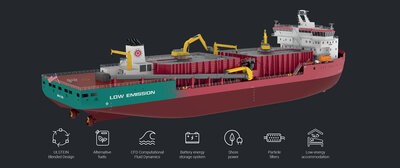
Main dimensions of the vessel are:
World Class Projects Delivered
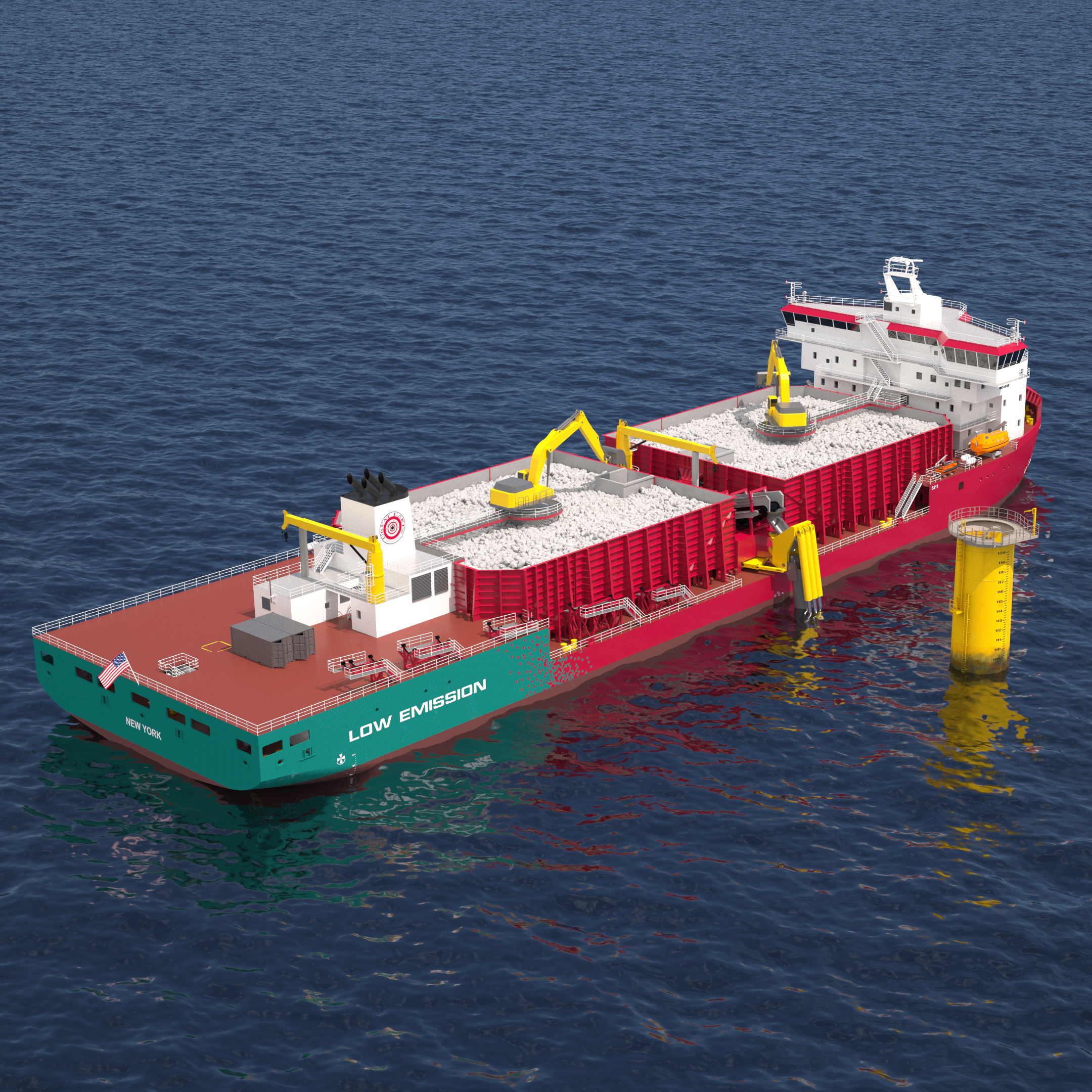
Great Lakes Dredge & Dock Company, in joint venture with Van Oord, is supporting Empire Wind 1—an 810 MW offshore wind farm off New York that will power approximately 700,000 homes.
Under a 2022 agreement, the joint venture has executed rock installation activities, mobilizing the subsea rock installation vessels Nordness and Bravenes to place approximately 291,000 metric tons of rock to protect critical subsea infrastructure.
Work remains ongoing, with GLDD’s subsea rock installation vessel Acadia set to perform additional precision rock placement as the project advances.
Through this partnership, GLDD and Van Oord are helping advance clean, reliable energy in the U.S.
South Brooklyn Marine Terminal, NY (SBMT)
Empire Wind 1 Export Cable Rock Protection at South Brooklyn Marine Terminal
Great Lakes Dredge & Dock Company supported the Empire Wind 1 offshore wind development by completing critical export cable protection work at the South Brooklyn Marine Terminal (SBMT), helping safeguard the cables that will carry clean energy from the wind farm back to New York.
Empire Wind 1 is expected to deliver renewable energy to approximately 700,000 households, making the export cable system a vital link between offshore generation and onshore power distribution. The export cables were installed in a pre-dredged trench along the SBMT approach and landing area. GLDD’s scope focused on stabilizing and protecting the cables by placing a precisely engineered two-layer rock system.
The first layer, known as Cable Top, was installed directly over and around the cable to provide foundational protection and support. A second layer, Cover Stone, was then placed to provide long-term armoring and resistance to currents, vessel activity, and seabed movement. At the slope landing area, where the export cables transition and are exposed to increased hydraulic forces, GLDD installed an additional armor rock layer on top of the standard two-layer system, delivering enhanced protection in the most vulnerable section of the alignment.
In total, GLDD installed 47,889 metric tons of rock to meet the project’s design requirements. In addition to cable protection, GLDD performed restoration work in the southeast corner of the project footprint, where a designated tidal restoration area required the seabed to be returned to its original condition. This restoration was completed by rebuilding a mound using cover stone, chock stone, and a sand cap, designed to mimic the surrounding seabed and reinstate the area as it existed prior to dredging.
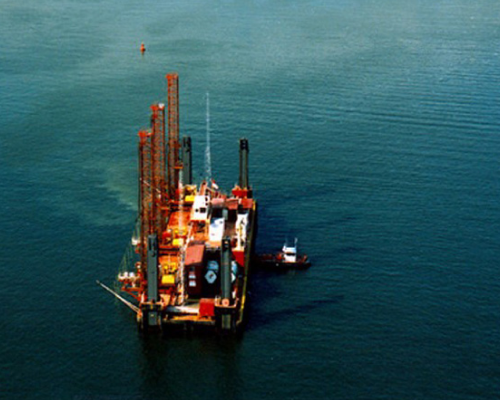
GLDD executed the work between May and October using Carver’s 2000 HP tending tug and the highly capable Carver 2000 Series E-Crane, operating from a spudded barge. This equipment package provided the stability and placement control required for accurate rock installation in a confined marine terminal environment.
Through careful placement, engineered layering, and environmental restoration, GLDD helped ensure Empire Wind 1’s export cables are protected for long-term service, supporting the delivery of renewable offshore wind energy to New York.
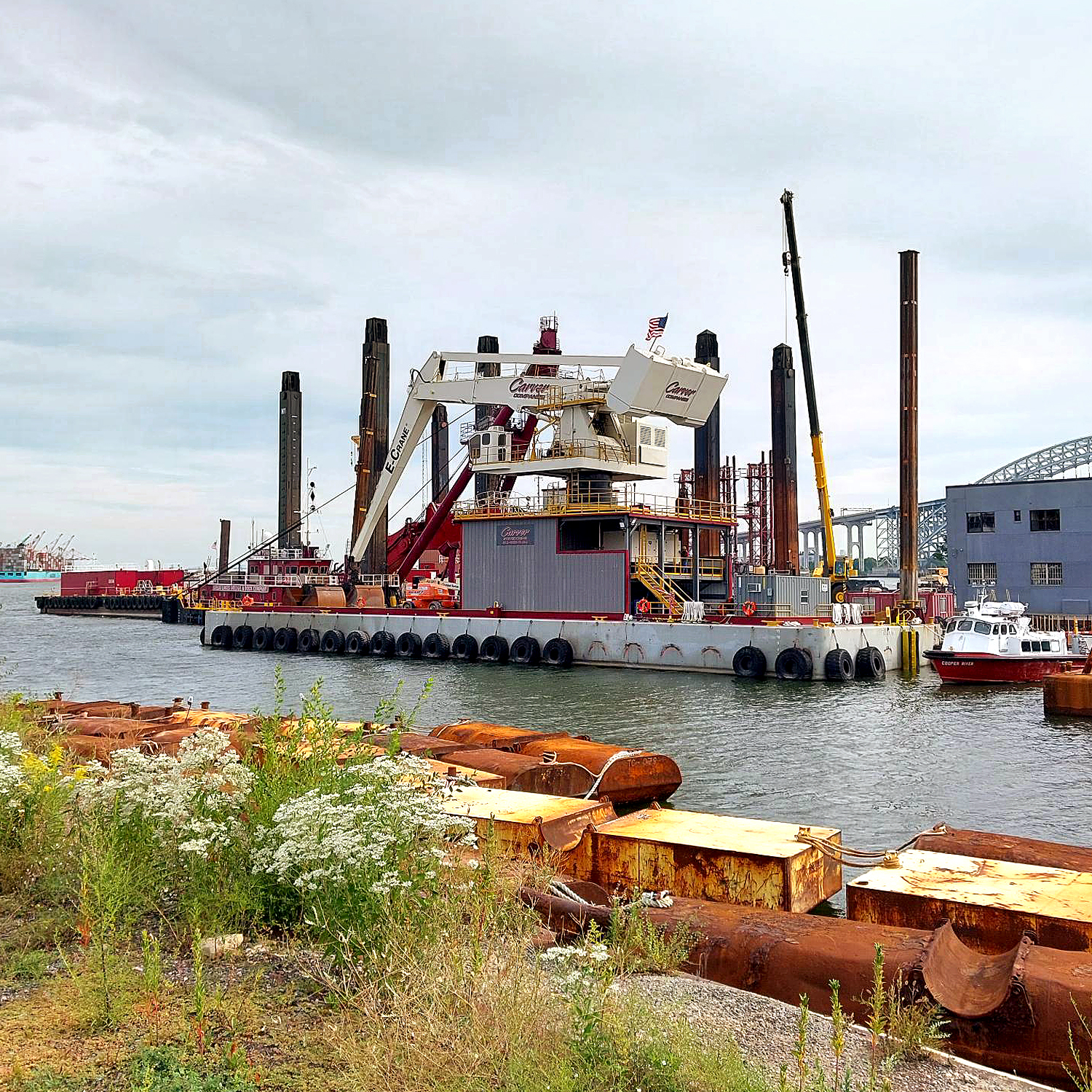
Great Lakes Dredge & Dock Company supported the Empire Wind 1 offshore wind development by completing critical export cable protection work at the South Brooklyn Marine Terminal (SBMT), helping safeguard the cables that will carry clean energy from the wind farm back to New York.
Empire Wind 1 is expected to deliver renewable energy to approximately 700,000 households, making the export cable system a vital link between offshore generation and onshore power distribution. The export cables were installed in a pre-dredged trench along the SBMT approach and landing area. GLDD’s scope focused on stabilizing and protecting the cables by placing a precisely engineered, two-layer rock system. The first layer, known as Cable Top, was installed directly over and around the cable to provide foundational protection and support. A second layer, Cover Stone, was then placed to provide long-term armoring and resistance to currents, vessel activity, and seabed movement. At the slope landing area, where the export cables transition and are exposed to increased hydraulic forces, GLDD installed an additional armor rock layer on top of the standard two-layer system, delivering enhanced protection in the most vulnerable section of the alignment. In total, GLDD installed 47,889 metric tons of rock to meet the project’s design requirements. In addition to cable protection, GLDD performed restoration work in the southeast corner of the project footprint, where a designated tidal restoration area required the seabed to be returned to its original condition. This restoration was completed by rebuilding a mound using cover stone, chock stone, and a sand cap, designed to mimic the surrounding seabed and reinstate the area as it existed prior to dredging. GLDD executed the work between May and October, using Carver’s 2000 HP tending tug and the highly capable Carver 2000 Series E-Crane, operating from a spudded barge. This equipment package provided the stability and placement control required for accurate rock installation in a confined marine terminal environment. Through careful placement, engineered layering, and environmental restoration, GLDD helped ensure Empire Wind 1’s export cables are protected for long-term service, supporting the delivery of renewable offshore wind energy to New York.
Over a Century of Experience
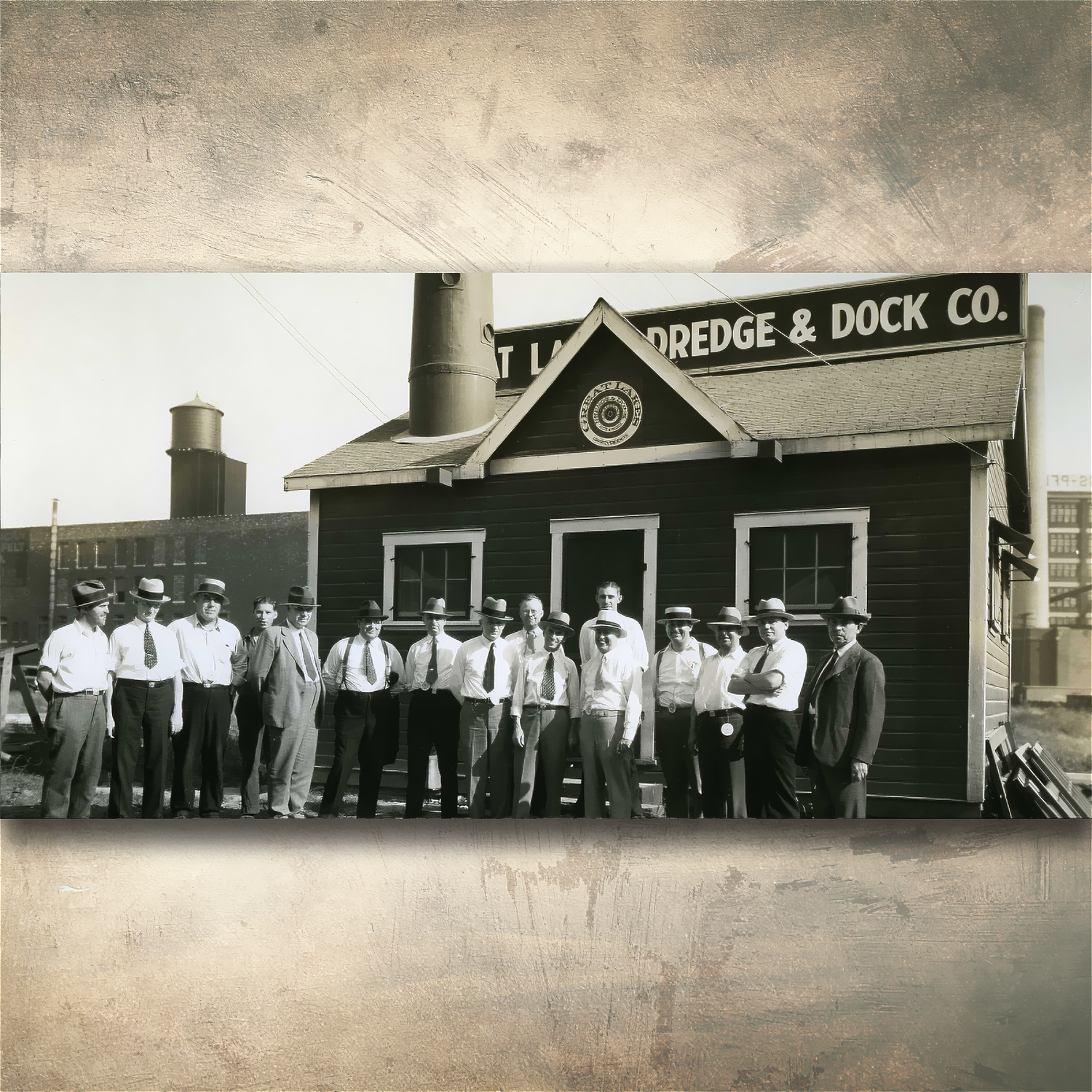
Over a Century of Experience
Founded in Illinois in 1890, GLDD has a long history with Chicago’s shore infrastructure and river lock system. The company now operates on every domestic coastline and throughout many inland U.S. waterways, and has operated in several foreign markets, including the Middle East, Latin America, and other regions around the globe. In addition, GLDD has a fleet of smaller vessels that specialize in dredging challenging shallow-water environments, such as lakes, reservoirs, rivers, and inland channels.
Since its founding, GLDD has been a leader in the building and maintenance of the nation’s navigation system, the protection of shorelines, the restoration of sensitive habitats, and the creation of critical aquatic infrastructure. We are committed to delivering innovative, high-quality workmanship to our clients while executing every project with a focus on safety, environmental protection, and enhancement.
Build and protect the foundations of offshore
energy and critical subsea infrastructure.
The county, in partnership with local municipalities, has embarked on a plan to restore and preserve the fragile coastline while establishing a strong defense against increasingly powerful storms to protect property and infrastructure in the coastal communities.
The county, in partnership with local municipalities, has embarked on a plan to restore and preserve the fragile coastline while establishing a strong defense against increasingly powerful storms to protect property and infrastructure in the coastal communities.
Offshore energy relies on stable, protected subsea infrastructure. Wind turbine foundations, power and data cables, and pipelines operate under constant pressure from ocean forces, seabed movement, extreme weather, and external impact.
Without long-term seabed stabilization and protection, these critical systems face increased risk, downtime, and costly disruption. As offshore energy development accelerates, the integrity of the infrastructure below the surface becomes essential to long-term reliability and economic stability.
Subsea rock installation is the most effective means of providing long-term scour protection. It is required to stabilize the seafloor around marine structures from the momentous kinetic energy of the ocean, which can erode critical structural foundations from the bases. With the first and only Jones Act–compliant subsea rock installation vessel, GLDD is helping to strengthen the foundations for world-wide offshore energy.